How to teach your toddler Arabic at home, even if you’re not fluent
You don’t need perfect Arabic to give your child a love of it. Small, everyday habits for busy parents of little ones.
Flashcards Arabia · 3 min read ·

Plenty of parents in the UAE want their children to grow up with Arabic, then worry that their own Arabic isn’t good enough to teach it. Here’s the reassuring part: with a toddler, you aren’t teaching grammar. You’re helping them hear words often, link each one to something they love, and have fun saying it back.
You can do that with very little Arabic of your own. What matters most is that the words come up often, in moments your child enjoys, with you.
Start with ten words, not a hundred
Choose a handful of words your child meets every day: the animals in a favourite book, the food on their plate, the people they love. Learn those few well yourself, then use them again and again. When they feel easy, add a few more.
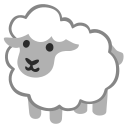
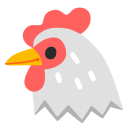
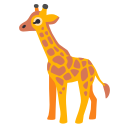
Animals are a lovely place to begin. Toddlers already love them, and every animal comes with a sound and a movement you can act out together.
- Cow
- Camel
- Lion
Listen first, then say it together
Not sure how a word sounds? Don’t guess. Hear it first, then say it together, slowly, while you point at the picture. On our cards you can tap a card to hear the word, as many times as your child likes, and every Arabic word has an English-letter guide underneath, so you can follow along too.
If you’re learning alongside your child, say so. “Let’s find out how to say it” is a wonderful thing for a toddler to hear from a grown-up.
Fold Arabic into what you already do
You don’t need a special lesson time. Arabic sticks best when it’s part of ordinary moments:
- Bath time: name body parts as you wash them, like أَنْف (anf, nose) and يَد (yad, hand).
- Meals: say the food in Arabic before you hand it over: حَلِيب (haleeb, milk), خُبْز (khubz, bread), تُفَّاحَة (tuffaaha, apple).
- In the car: spot a bus, a lorry or a palm tree, and say it in both languages.
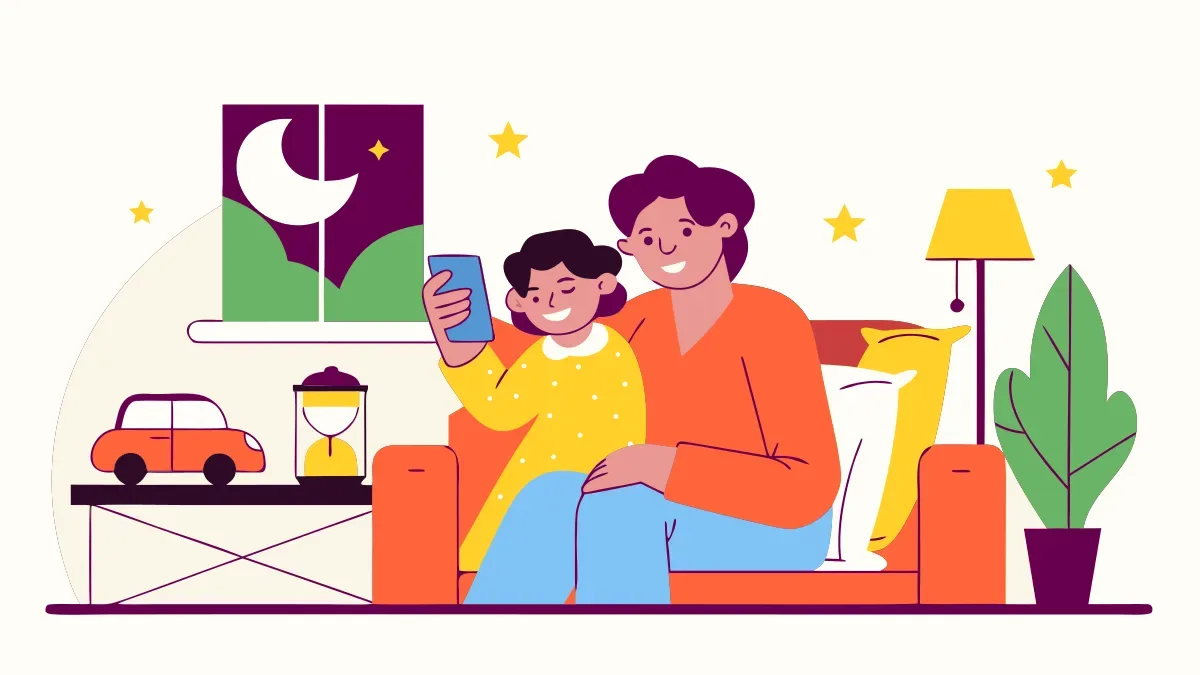
- Bedtime: look at three cards together and say goodnight to each one.
Let the vowel marks help you
Arabic for children is written with tashkeel: small marks above and below the letters that show the short vowels. They tell you exactly how a word is said, which makes them a gift to a parent who is still learning. In بَقَرَة (baqara, cow), the little strokes above the letters tell you each sound is “a”: ba-qa-ra.
Every Arabic word on our cards has full tashkeel and an English-letter guide, so you never have to guess.
Borrow other voices
You don’t have to be your child’s only Arabic speaker. Ask a grandparent to say goodnight in Arabic on a video call. Ask your child’s nursery which words they’re learning this week, and practise those at home. Play Arabic children’s songs in the car. Every voice your child hears adds to the ones they hear from you.
Keep it short and happy
A few minutes a day is plenty. Stop while your child is still enjoying it, and cheer every try, wobbly ones included. Little ones love saying the same word for the hundredth time, so let them.
Where to start tonight
Farm Animals is free in full, with no account needed. Open it, choose three animals, and make their sounds together. When you’re ready to make it a habit, try our five-minute bilingual routine.